
A Strategic Vision for the Future of Forest Management
Our association’s mission is to restore the strategic importance of forests and meadows that, for centuries, sustained the economy, culture, and identity of our communities. These landscapes once provided timber, pasture, and other vital resources in a way that maintained a balance between human activity and natural regeneration. However, rural depopulation and the progressive abandonment of traditional land-use practices have resulted in unmanaged forests, increased fuel loads, and a decline in their natural regenerative capacity. This situation has created a perfect storm of challenges: higher wildfire risk and severity, biodiversity loss, and a significant reduction in opportunities for sustainable local development.
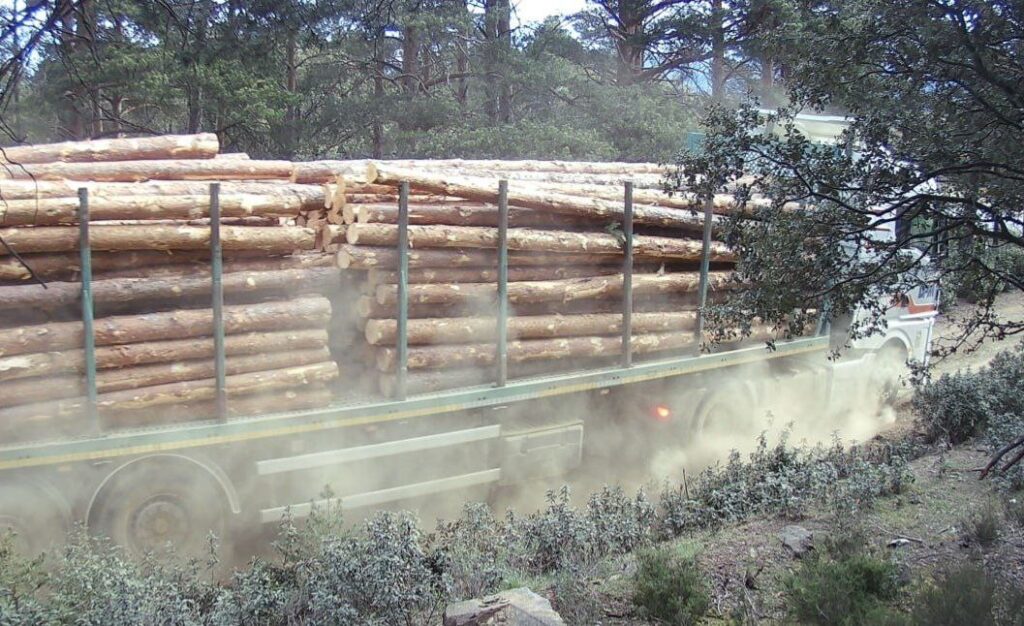
To confront these issues, we are committed to designing and implementing a sustainable, economically viable forest management model. Our strategy integrates planned and efficient timber and biomass harvesting to generate income while improving forest structure, the promotion of extensive grazing systems to naturally reduce combustible vegetation, and the diversification of forest-based economic activities, including ecotourism, educational initiatives, and the sustainable collection of non-timber forest products.
Innovation and collaboration form the backbone of this vision. We actively participate in research and development projects that test adaptive management frameworks, combining field experience with new technologies and data-driven decision-making. Equally important, we advocate for collaborative governance models that bring together private landowners, public administrations, cooperatives, and research institutions to ensure coordinated and scalable action.
Capacity-building and generational renewal are essential to guarantee continuity. Without trained professionals, engaged communities, and opportunities for young people to live and work in rural areas, forest management cannot be sustained over time.
Our long-term vision is clear: to reposition forests as a key driver of rural development, climate change mitigation, water regulation, and air quality improvement. Through shared effort, innovation, and stakeholder engagement, we can transform neglected landscapes into resilient, productive, and ecologically valuable systems that benefit present and future generations.